Why TNFD is the Future of Sustainability Reporting in South Africa
The shift from carbon tracking to nature-related risk is reshaping South African corporate strategy. Under the new King V framework, the Taskforce on Nature-related Financial Disclosures (TNFD) offers companies a blueprint to map local environmental risks and secure global capital to actively restore ecosystems rather than just minimising damage.
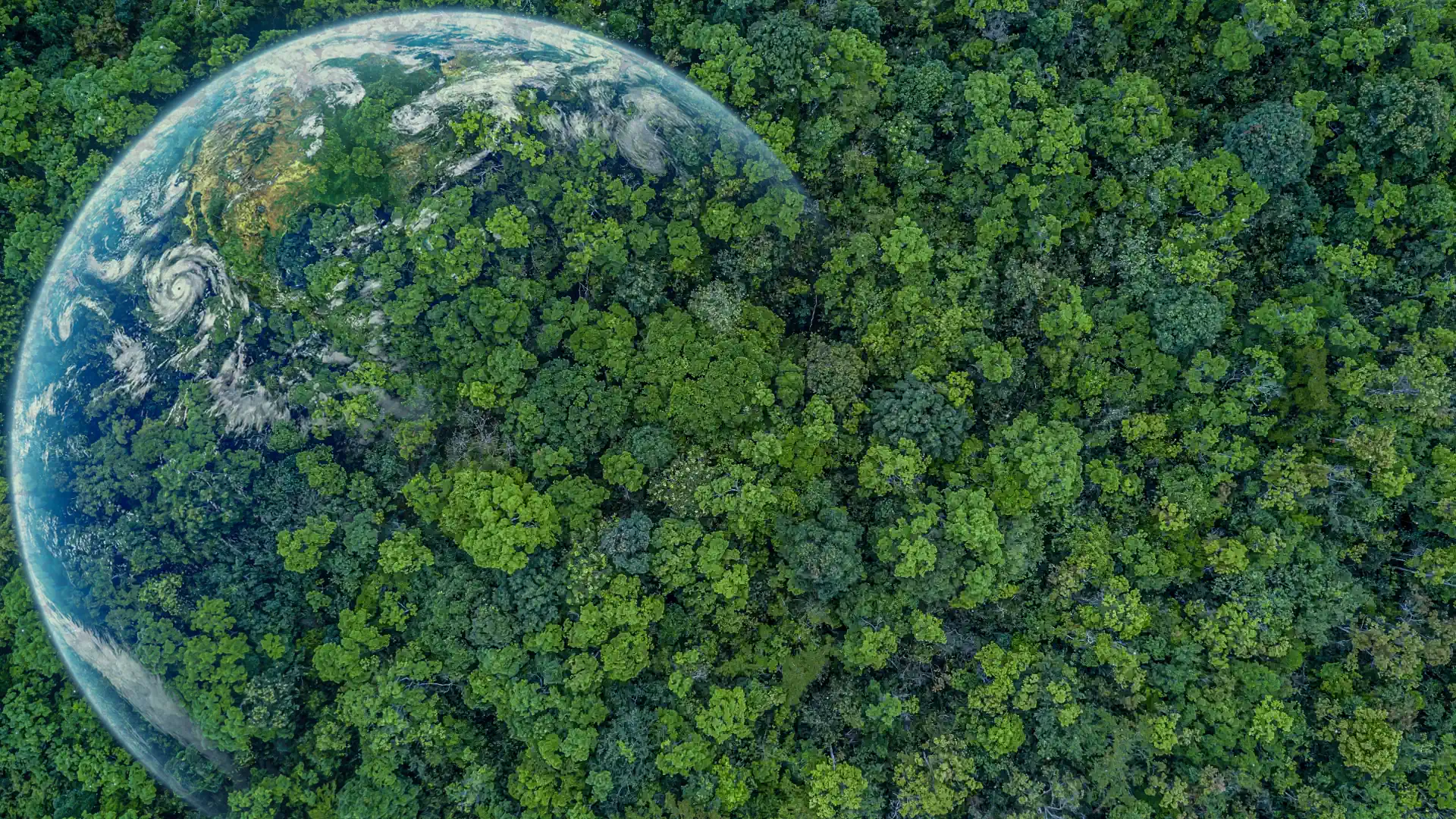
For the past ten years, carbon ruled corporate sustainability. The drive to measure, cut and report greenhouse gases reshaped global supply chains and boardrooms. However, a better understanding of global risk is changing corporate strategy. Market leaders and investors now realise that treating climate change while ignoring failing ecosystems is a critical blind spot.
Enter the Taskforce on Nature-related Financial Disclosures (TNFD).
As South Africa enters a new era of governance under the King V framework, TNFD emerges as the next big step in sustainability reporting. For executives and managers looking past simple compliance towards long-term strength, TNFD offers a clear guide to the modern economy.
Here we explore what TNFD is, why it matters in South Africa and why it offers a blueprint for better business.
Moving Past Carbon Tunnel Vision
The global economy belongs entirely to the environment. The World Economic Forum notes that over half of global GDP, or roughly $44 trillion, depends heavily on nature. When water tables drop, soil turns to dust and wildlife dies off, supply chains break and capital faces deep risk.
The Taskforce on Climate-related Financial Disclosures (TCFD) gave markets a global language to price climate risk. TNFD builds on that model but looks wider. It gives organisations a way to manage, act on and report nature risks. It shifts the question from "How much carbon do we emit?" to "How much does our business rely on healthy rivers, fertile soil and local wildlife?"
For sustainability managers, TNFD offers a clear, science-backed way to put a price on nature loss while showing the huge strategic gains of investing in nature.
The High Stakes South African Need
South Africa’s economy is deeply tied to its land and water. From Western Cape farms to Highveld mines, our main industries face acute threat when ecosystems fail.
South Africa also lacks water, and struggles with failing infrastructure. We cannot treat nature as an endless resource. When local lands can no longer filter water, stop floods or hold topsoil, South African companies take a fast, heavy financial hit.
Here, adopting TNFD is not about meeting European rules; it is about surviving at home. Forward-thinking South African companies should build TNFD into their strategy for four reasons:
1. Meeting the King V Mandate. The King V Report brings the idea of "double materiality" into the South African boardroom. Companies must now show how they affect the world and how the world affects them. TNFD puts this rule into practice. Using TNFD, executives can show boards and shareholders that they actively measure and manage all their nature-based risks.
2. Securing Global Capital. Global markets are shifting fast. Major investors now build nature risks into their choices. As European rules like the Corporate Sustainability Reporting Directive (CSRD) demand broader environmental data, global partners will ask South African companies for the same. Adopting TNFD early makes local companies low-risk, open and highly attractive to foreign investors.
3. Finding Hidden Supply Chain Flaws. TNFD focuses on local data. Nature impacts do not look the same everywhere. Pulling a megalitre of water from the dry Karoo carries far more risk than taking it from a wet region. TNFD forces companies to map their supply chains geographically. This reveals hidden weak spots long before they break operations or lose money.
4. Moving from Damage Control to Restoration. Most importantly, TNFD shifts thinking from "doing less harm" to "doing good". The rules ask companies to find ways to help nature thrive. This matches the growing public demand for businesses to repair the places where they work.
The FTFA View: Matching Action to Rules
At Food & Trees for Africa, we have spent decades working where land repair meets community growth. For us, TNFD is great news. For years, companies struggled to measure the deep, local value of growing trees, greening cities and building healthy food systems on a standard balance sheet. TNFD changes that math.
We view TNFD as a top tool for long-term sustainability reporting because it speaks our language. It values whole ecosystems, sees the clear link between human health and land health and prioritises long-lasting strength over quick gains.
As an organisation, FTFA is watching and adapting to TNFD. We recognise that as corporate South Africa adopts these rules, they will need partners who can improve nature in real, measurable ways. Many of our core programmes such as planting trees to save watersheds, or farming in ways that rebuild topsoil and wildlife, fit perfectly into the TNFD model.
We constantly improve how we track, check and report our work. This dedication to robust monitoring and evaluation ensures we deliver the high-level impact assurance required for modern corporate disclosure.Our goal is to feed data from FTFA's fieldwork straight into our partners' TNFD reports, giving companies the hard, provable facts they need to show real-world impact. We do not just plant trees; we help businesses rebuild the natural foundation that keeps them alive.
Planning a Nature-Positive Future
Using the TNFD framework shows real growth in corporate sustainability. It admits a simple truth: a strong economy cannot exist on a drained planet.
For South African leaders and sustainability managers, the message that the game has changed is clear. The companies that thrive in the 2030s will be the ones that map their link to nature today. Rather than another regulatory hurdle, the TNFD serves as a practical blueprint for building an organisation as durable as the ecosystems it depends on.
By using TNFD, South African businesses can lead the Global South. They can show how corporate strategy, care for the earth and social upliftment can work together and still make a profit.
Written By
Research Team
Comprising experts from diverse departments, the Food & Trees for Africa (FTFA) research team drives informed strategies to advance environmental sustainability, climate resilience and food security.
Support Independent Analysis
Did you find this insight valuable? Your support allows us to continue producing rigorous, open-access research for ESG and sustainability professionals worldwide.
Make a ContributionFact Sheet
- Est. Reading Time5 min
- Author Auth.Verified
- Last ReviewedAugust 17, 2026
Research & Trends
Get early access to our latest insights and analysis.
Join over 10,000 professionals. We respect your inbox and you can unsubscribe at any time.
Recommended For You
Regulation, Risk and Governance
South Africa's Carbon Tax Phase 2: New Financial Reality for Business

Regulation, Risk and Governance
The Mathematics of the S in ESG: A New Framework for NGO Collaboration

Technology and Systems Innovation