ESG Insights
Food & Trees for Africa's ESG Insights journal features our latest field research, impact blueprints and strategic dialogue on social and environmental sustainability.
Browse by Topic →PULSE
Trends & Research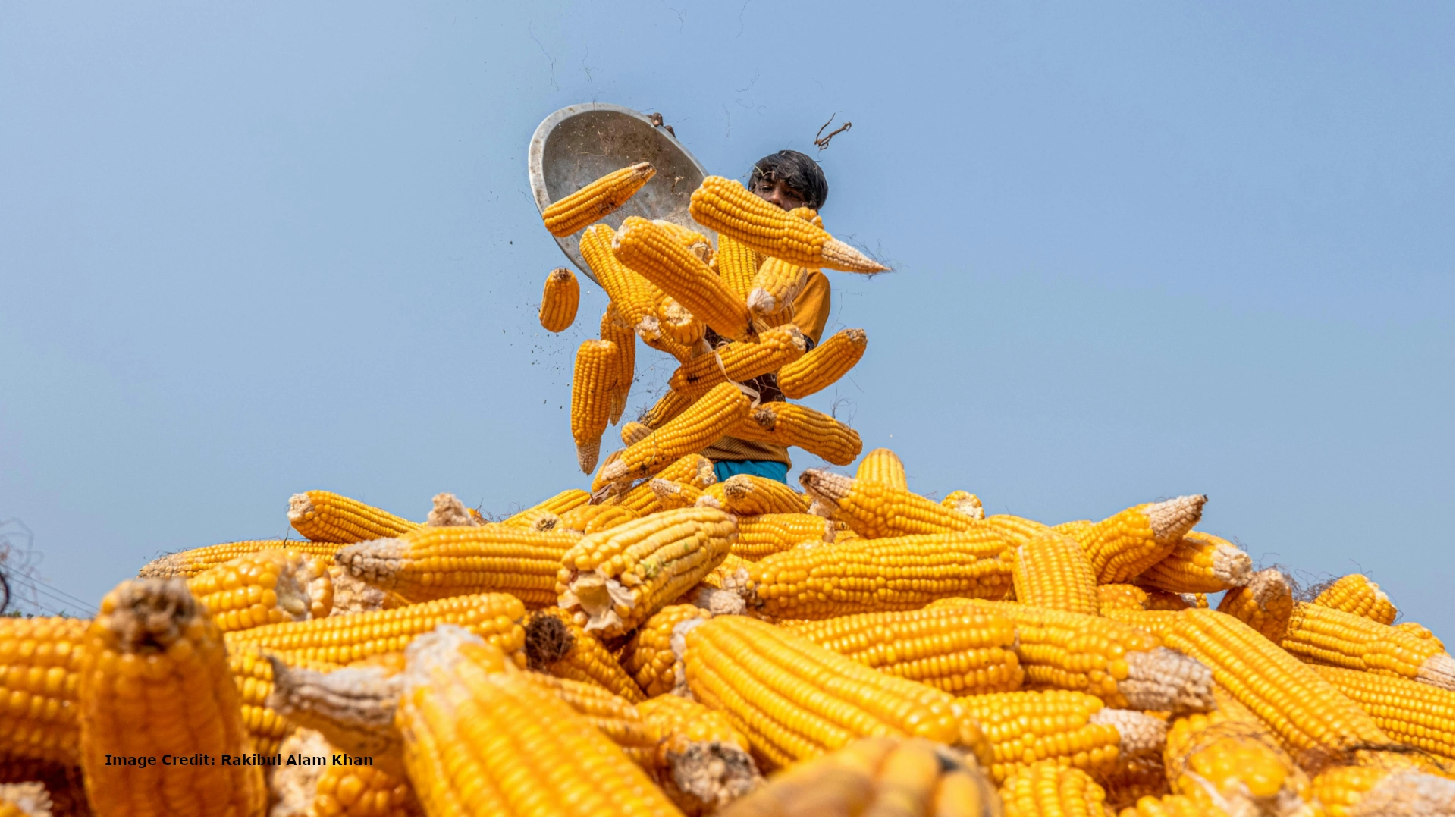
How the Maize Monoculture Trap Broke Southern African Nutrition
Colonial policies and post-independence subsidies turned white maize into a regional monoculture occupying up to 75% of Southern Africa's arable land. While maize provides cheap calories, diets dominated by refined maize meal lack essential amino acids, zinc and iron, driving childhood stunting that only agroecological crop diversification can solve.
October 16, 2026
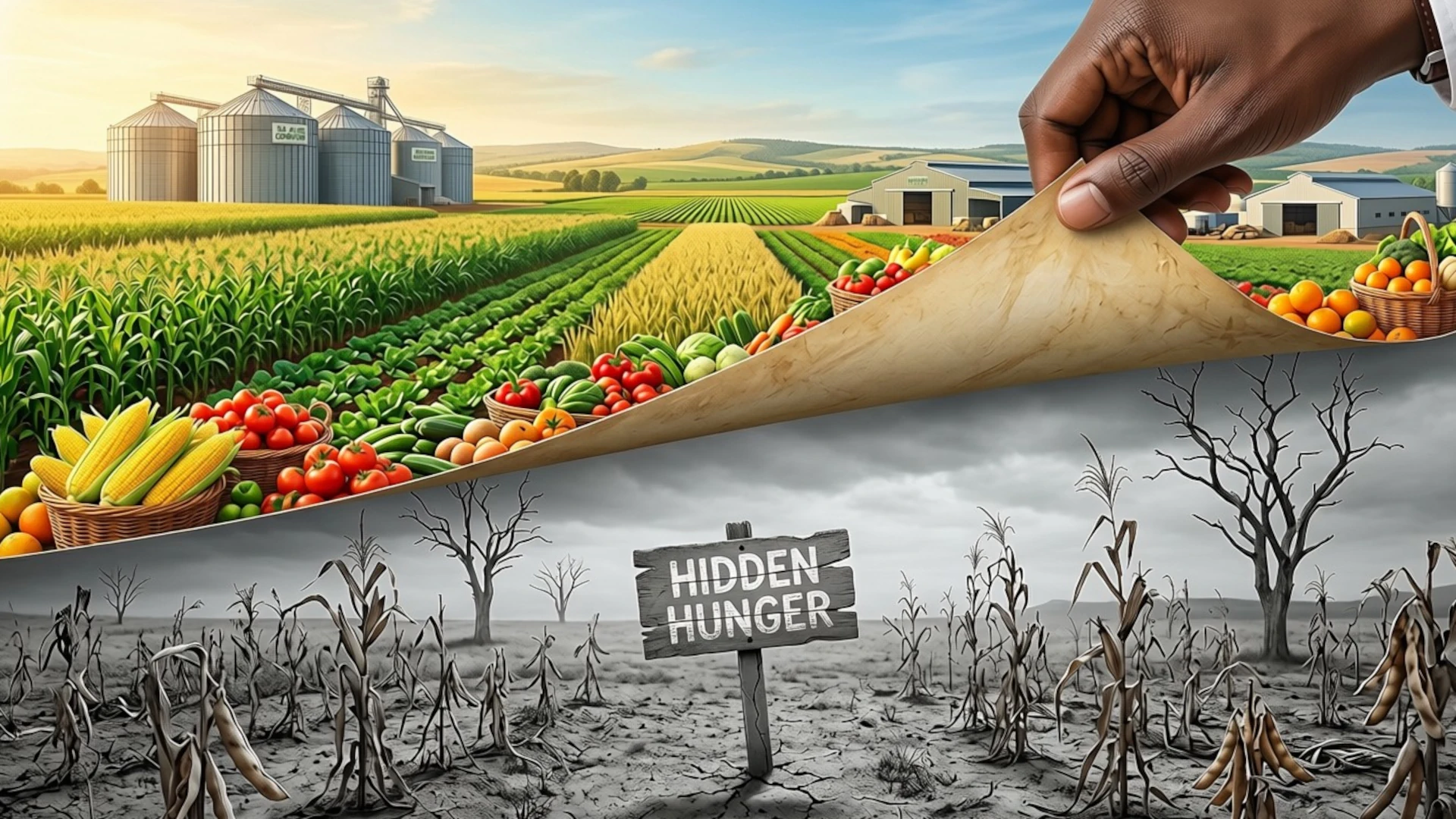
The Illusion of Abundance: Unmasking South Africa’s Hidden Hunger
Despite producing national food surpluses, South Africa faces a crisis of hidden hunger and malnutrition. Research shows that commercial food systems and inadequate social grants force low-income households to rely on cheap, highly processed foods. Adopting agroecology and indigenous crops offers a sustainable solution to restore community nutrition and food sovereignty.
October 16, 2026
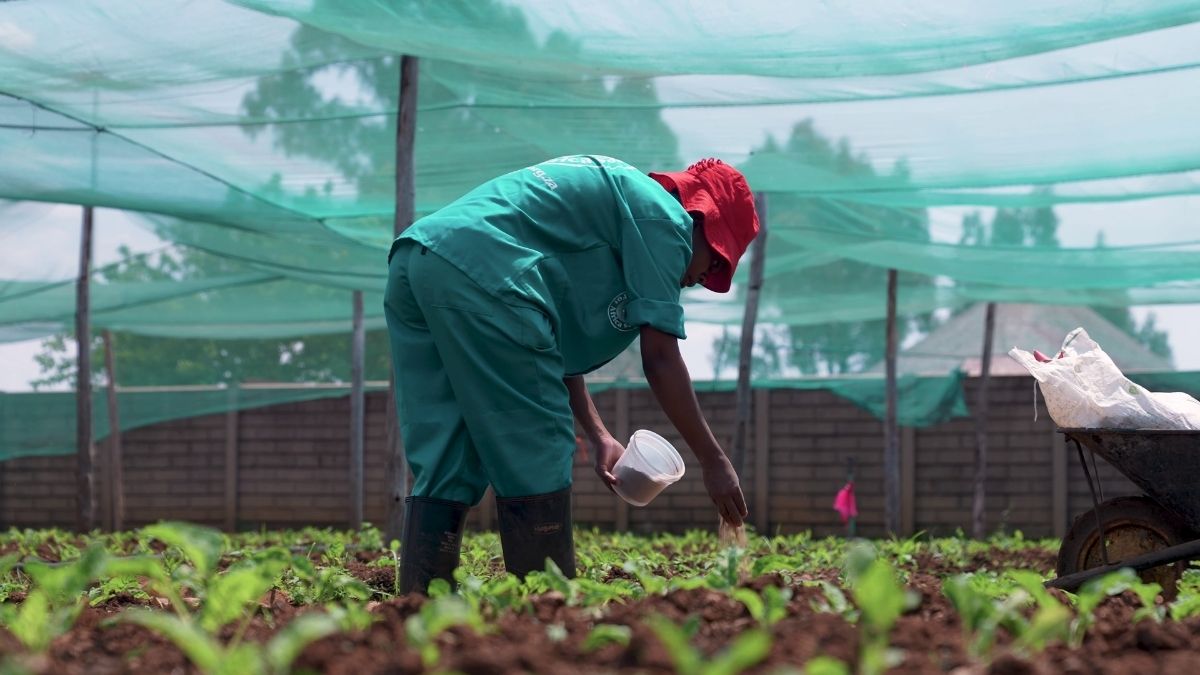
Beyond Title Deeds: Cultivating Successful Emerging Farmers
Providing land access to emerging farmers is insufficient for sustainable livelihoods without complementary support. Research shows that true agricultural success requires agro-ecological suitability, capital access, flexible farming models and secure tenure. Agroecology bridges these gaps by lowering financial barriers and building resilient food systems.
October 12, 2026

Architecture of Safety: Why the Right Trees Might Mean Safer Streets
A synthesis of recent urban studies reveals a significant negative correlation between urban tree canopy and crime rates. However, the data introduces a "canopy paradox": large shade trees effectively reduce violent crime by promoting social cohesion, while small, view-obstructing shrubs can inadvertently increase crime by providing concealment.
October 29, 2026
South Africa's Carbon Tax Phase 2: New Financial Reality for Business
Phase 2 of South Africa's Carbon Tax Act and the new Climate Change Act have turned emissions reporting into a strict financial liability. Heavy industries and their supply chains must now produce audit-ready data to avoid severe penalties. To survive this shift, companies are rapidly upgrading data infrastructure and investing in renewable energy.
July 2, 2026