

Forest Landscape Restoration (FLR)
Explore Forest Landscape Restoration methodologies balancing ecological functionality with social development. This resource details carbon sequestration, afforestation and reforestation at a landscape scale. Learn to create biodiversity corridors, secure sustainable land tenure and build resilient economies through long-term climate mitigation strategies.
Food and Trees for Africa provides a comprehensive resources page on Forest Landscape Restoration. Learn how to balance ecological and social objectives across large landscapes to enhance food security, build resilient economies and deliver long-term climate mitigation.
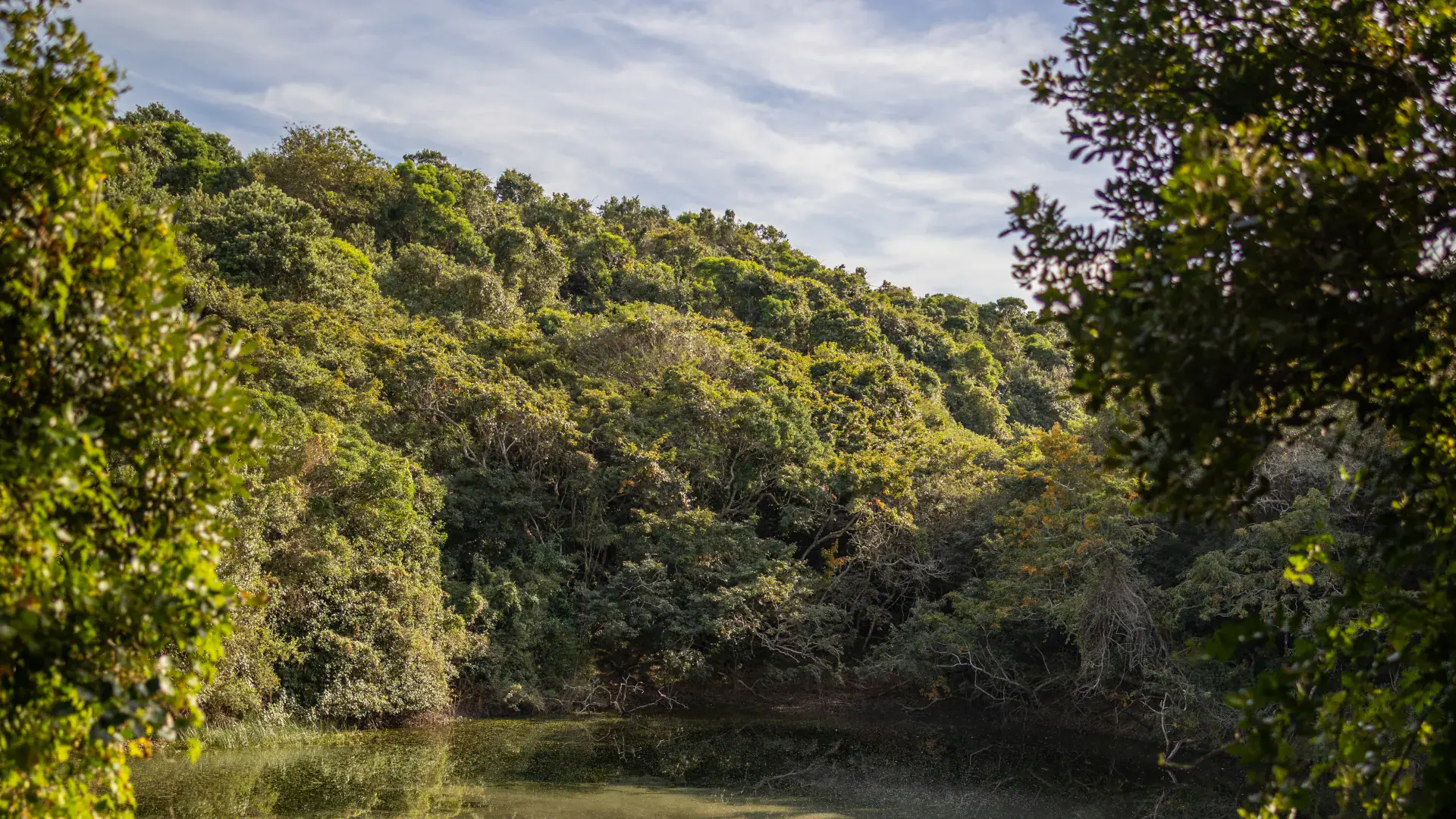
Defining a Forest in the Modern Era
Global climate policy relies on accurate forest definitions to track restoration progress. However, historical systems use rigid structural metrics that fail to distinguish between natural ecosystems and commercial plantations. Land managers must adopt dynamic tracking methods to prevent ecological degradation from slipping through policy gaps.
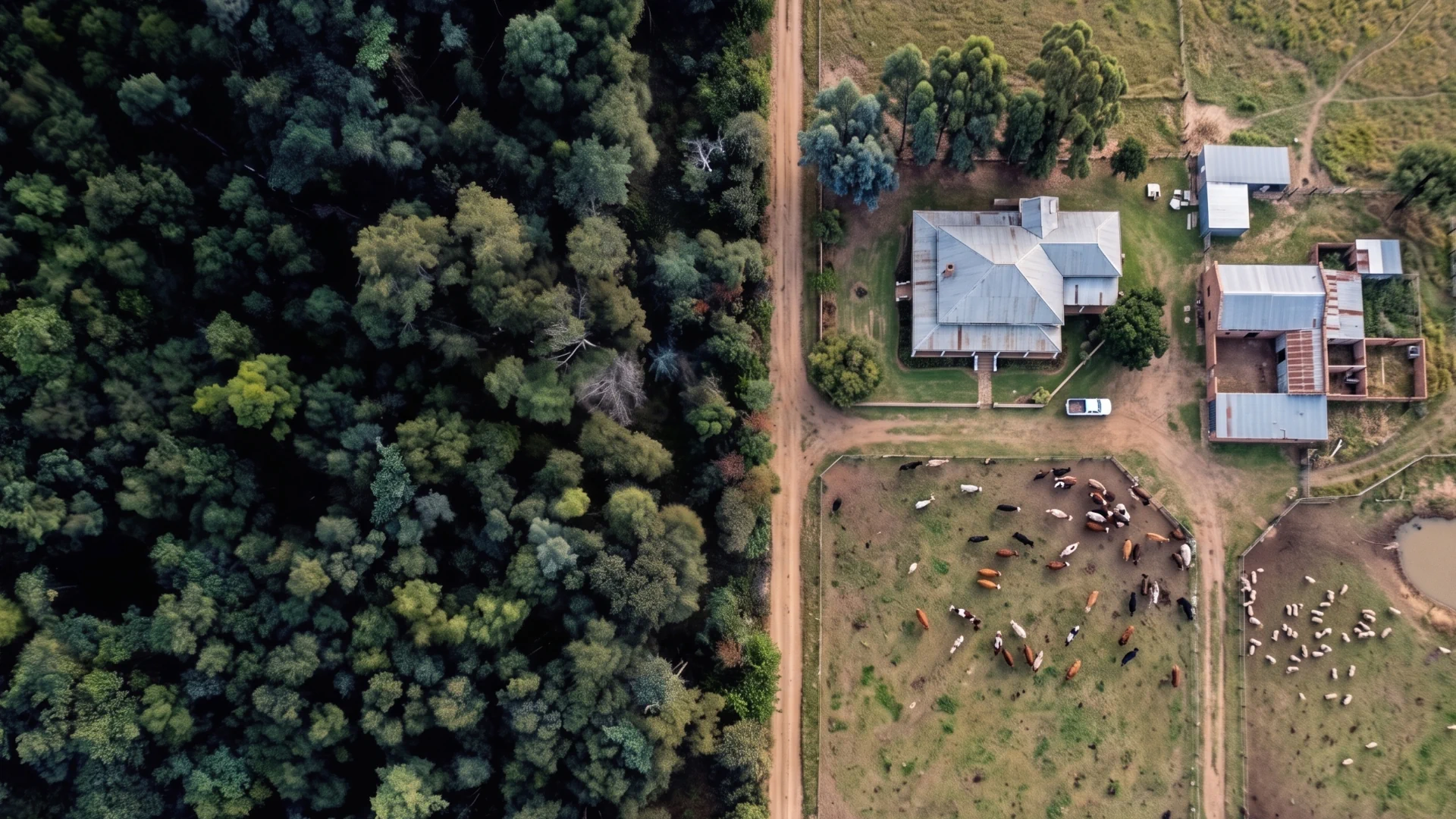
The Definition of a 'Landscape' in Forest Restoration
Forest Landscape Restoration (FLR) treats forests as complex socio-ecological systems integrating nature, agriculture, and human communities. By reconciling diverse disciplinary frameworks-from conservation to timber production-FLR utilizes inclusive governance to balance biodiversity protection with local livelihood needs across large geographic areas.
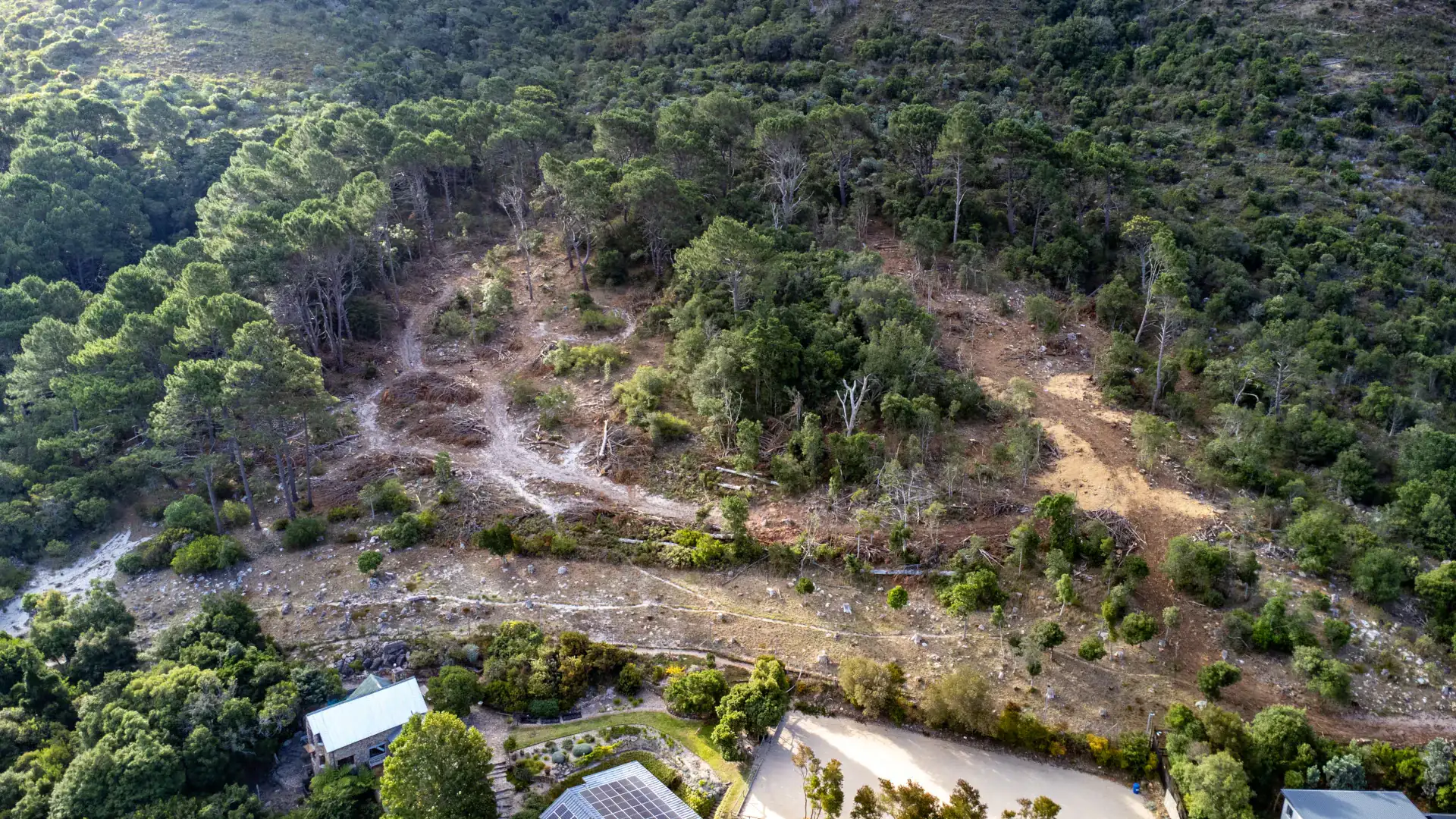
What is Forest Landscape Restoration (FLR)?
Forest landscape restoration (FLR) balances ecological integrity with human well-being across multi-use land mosaics. Passive methods like natural regeneration offer cost-effective carbon storage and superior biodiversity recovery compared to active planting. However, successful execution requires addressing misclassified grassy biomes and community involvement.