Social Impact and Communities
Examine the external social pillar of ESG with a focus on community empowerment, education and human rights. We spotlight impactful social initiatives and development.
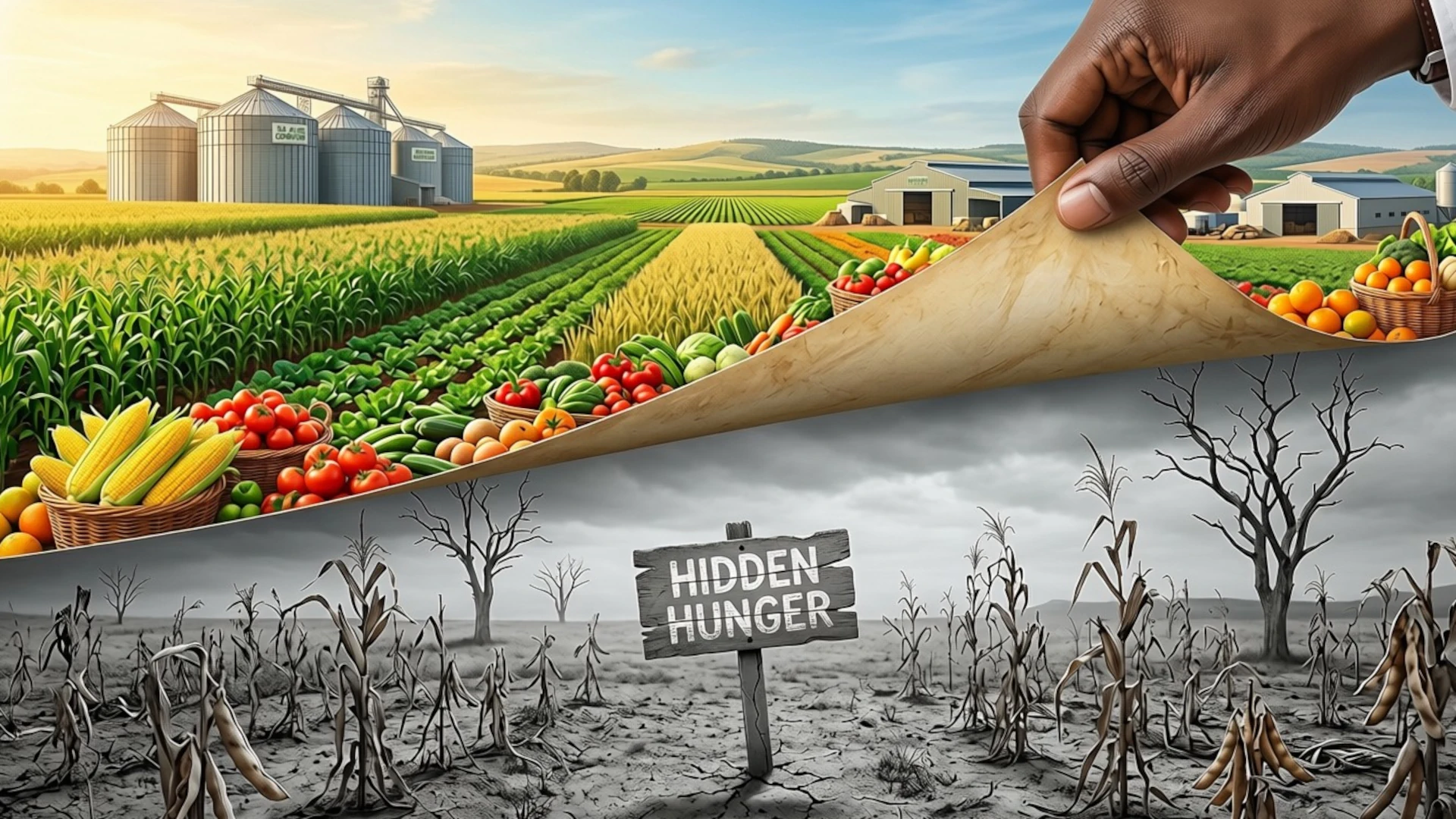
The Illusion of Abundance: Unmasking South Africa’s Hidden Hunger
Despite producing national food surpluses, South Africa faces a crisis of hidden hunger and malnutrition. Research shows that commercial food systems and inadequate social grants force low-income households to rely on cheap, highly processed foods. Adopting agroecology and indigenous crops offers a sustainable solution to restore community nutrition and food sovereignty.

Architecture of Safety: Why the Right Trees Might Mean Safer Streets
A synthesis of recent urban studies reveals a significant negative correlation between urban tree canopy and crime rates. However, the data introduces a "canopy paradox": large shade trees effectively reduce violent crime by promoting social cohesion, while small, view-obstructing shrubs can inadvertently increase crime by providing concealment.

How the Maize Monoculture Trap Broke Southern African Nutrition
Colonial policies and post-independence subsidies turned white maize into a regional monoculture occupying up to 75% of Southern Africa's arable land. While maize provides cheap calories, diets dominated by refined maize meal lack essential amino acids, zinc and iron, driving childhood stunting that only agroecological crop diversification can solve.