
Regenerative Design
Explore regenerative design principles including agroecology, permaculture and circular systems. This resource details frameworks for soil health, water retention and biomimicry in agriculture. Learn to combine indigenous knowledge with modern ecological science to create climate-resilient landscapes that foster ecological health and social equity.
Food and Trees for Africa provides a comprehensive resources page on regenerative design. Learn to apply agroecology, permaculture and circular systems to agriculture. Discover how to build climate-resilient landscapes that actively restore natural ecosystems.
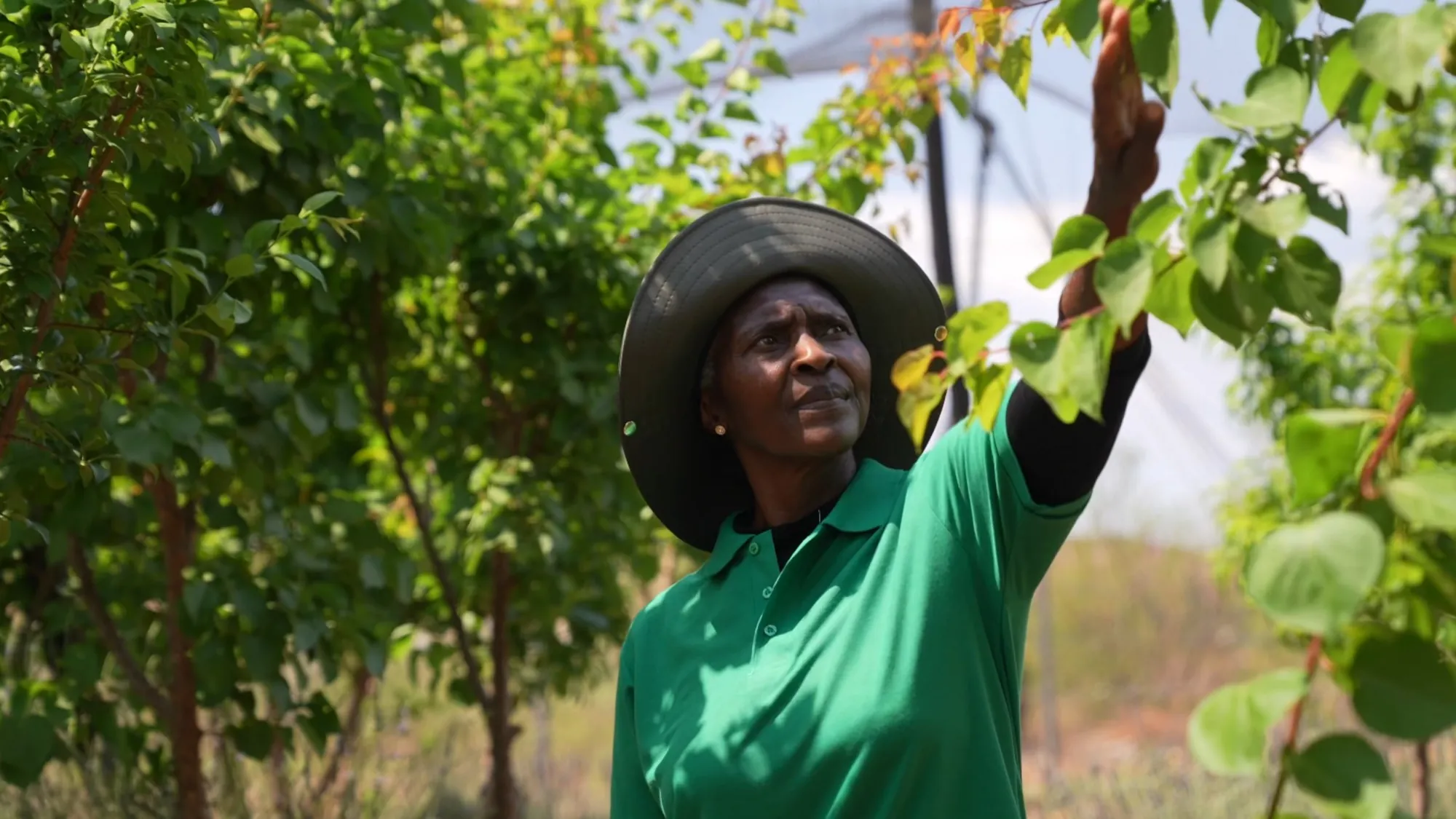
What is Regenerative Design? Moving Beyond Sustainability
- Regenerative design shifts the focus from harm reduction to an active partnered relationship with natural systems.
- The methodology treats buildings and cities as living entities that provide more ecosystem services than they consume.
- Place-based inquiry serves as the primary starting point to reconnect people with the unique spirit of their locale.
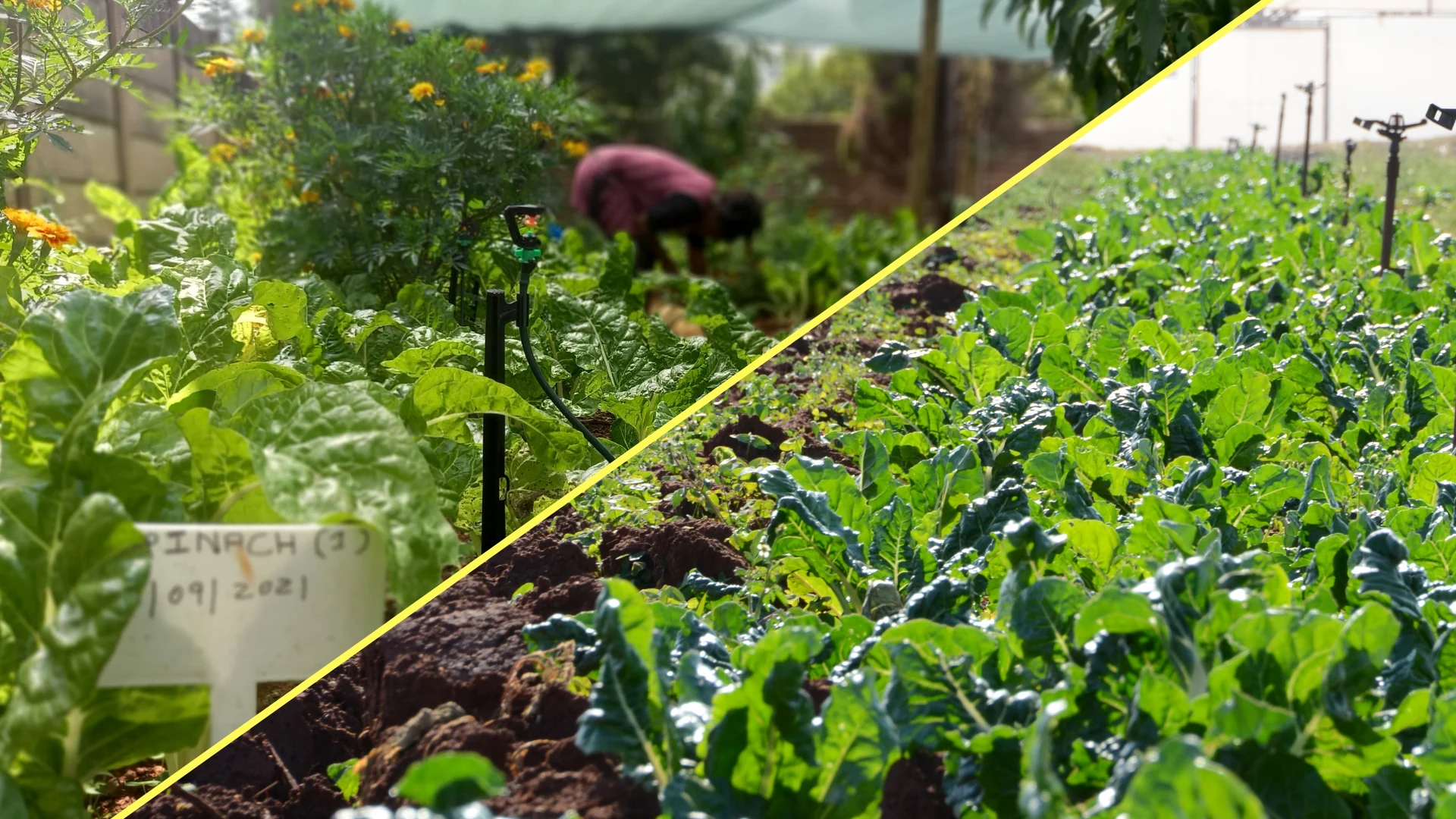
Agroecology vs. Permaculture: What is the Difference?
Agroecology and permaculture apply ecological principles to food production and human habitats. While agroecology focuses on political food sovereignty and farm-scale change, permaculture offers a broader design system for communities. Integrating both approaches helps build climate resilience and autonomous food systems.
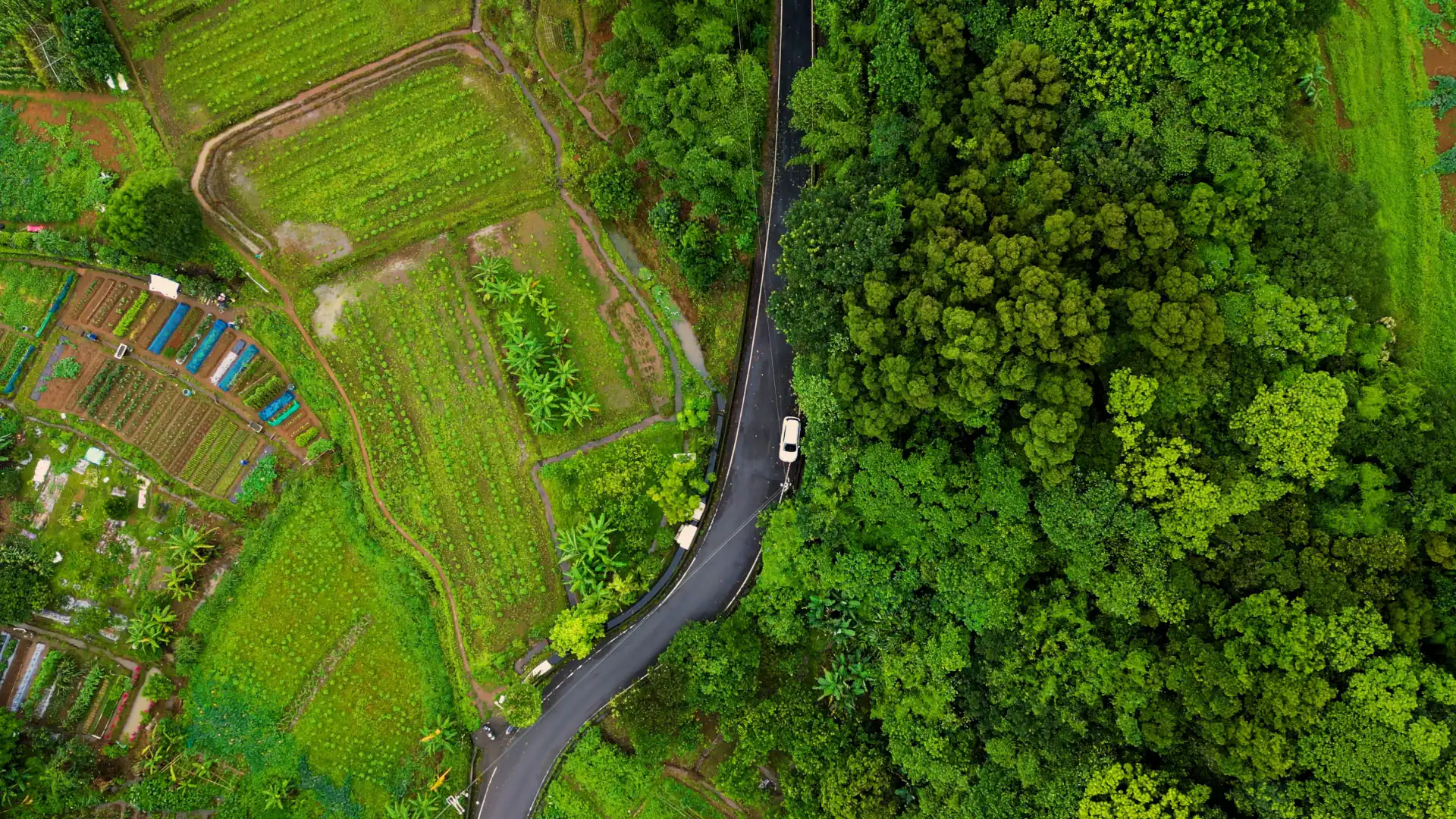
What is Conservation Agriculture and Why is it Important?
Conservation agriculture is a global farming paradigm based on minimum soil disturbance, permanent cover and species diversification. While it significantly improves topsoil health and water retention, the system faces criticism for its systemic herbicide dependence. Its adoption remains limited across Africa due to resource constraints.
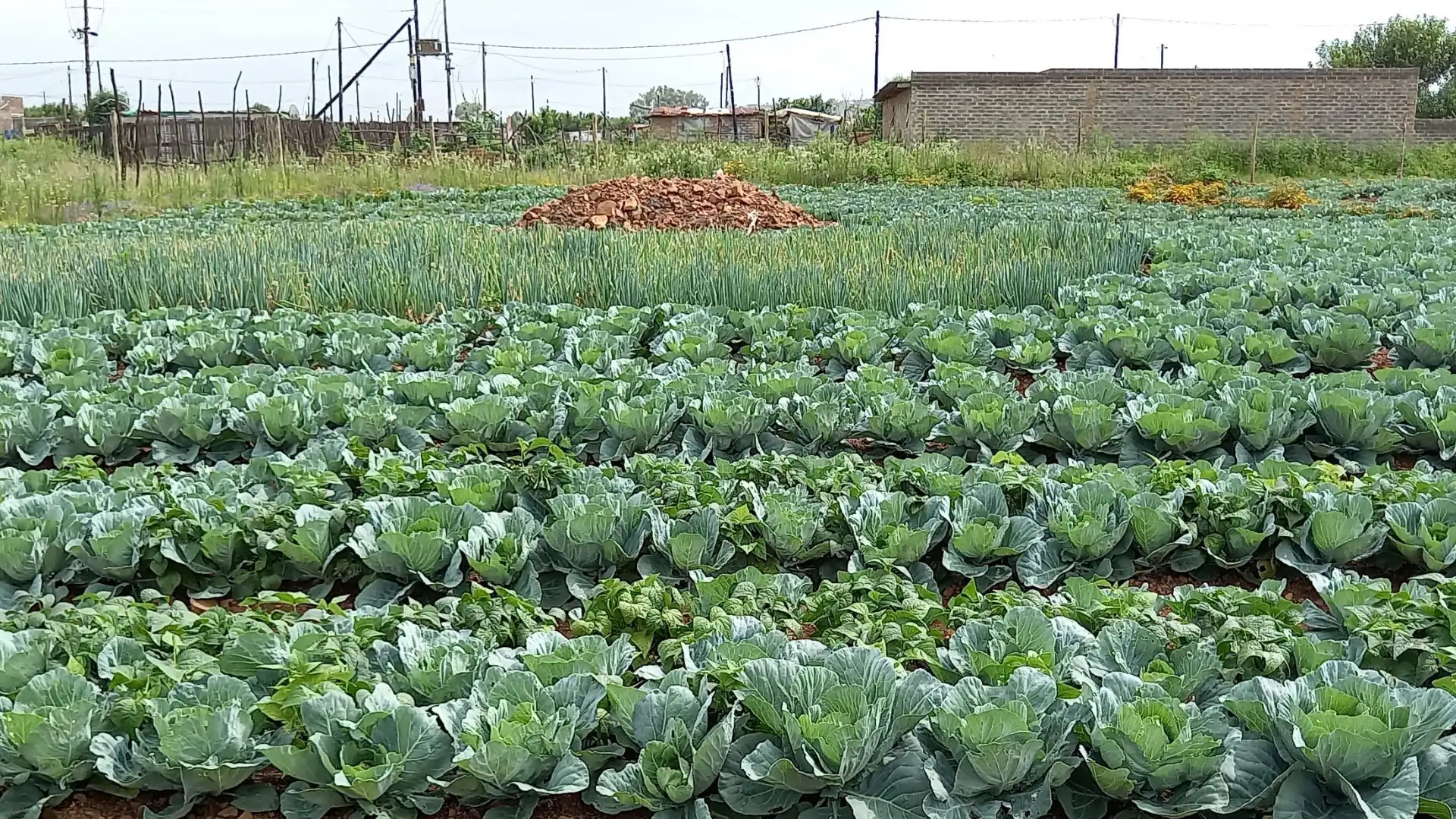
What is Agroecology? A Simple Guide to Farming with Nature
Agroecology integrates ecological science and social justice to build resilient food systems. By replacing synthetic inputs with natural processes, it significantly improves soil health, enhances biodiversity and secures smallholder livelihoods. Local initiatives demonstrate its viability for climate adaptation and long-term food sovereignty.