
Sustainable Food Production
Explore sustainable food production and Climate-Smart Agriculture for home vegetable gardening and community farming. This resource covers organic methods, nutrient density, resource efficiency and integrated pest management. Empower growers with technical guides on composting, seed saving and crop rotation for long-term food sovereignty.
Food and Trees for Africa provides a comprehensive resources page on sustainable food production. Discover how Climate-Smart Agriculture empowers both community farmers and home vegetable gardeners to grow nutritious food and achieve long-term food sovereignty.
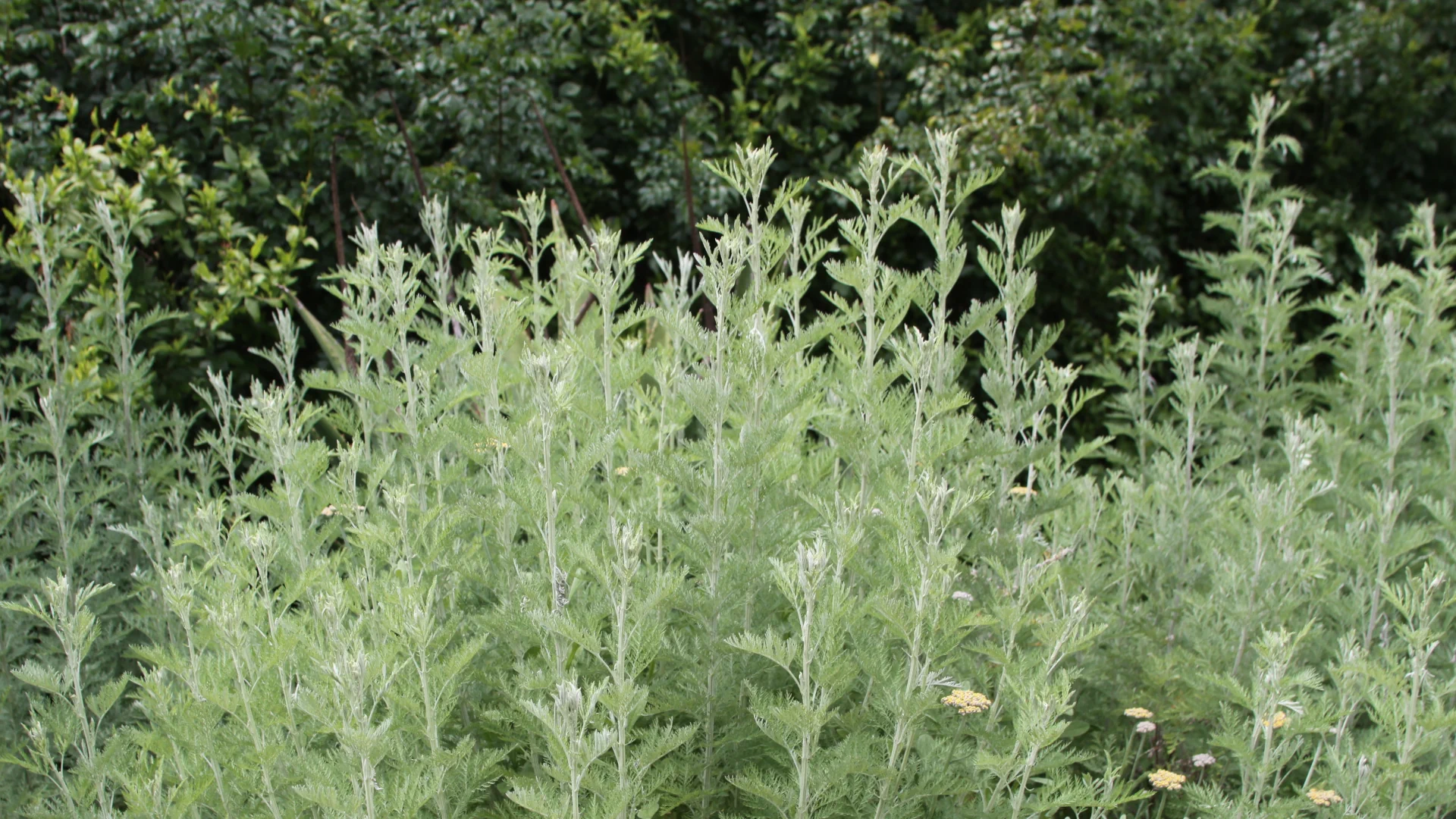
Growing Indigenous Medicinal Plants in South Africa
Cultivating indigenous medicinal plants ensures a sustainable supply of traditional remedies while protecting wild ecosystems from destructive harvesting. These plants possess powerful pharmacological properties driven by active chemical compounds. Furthermore, growing them in their endemic environments using agroecology practices yields the highest therapeutic benefits.
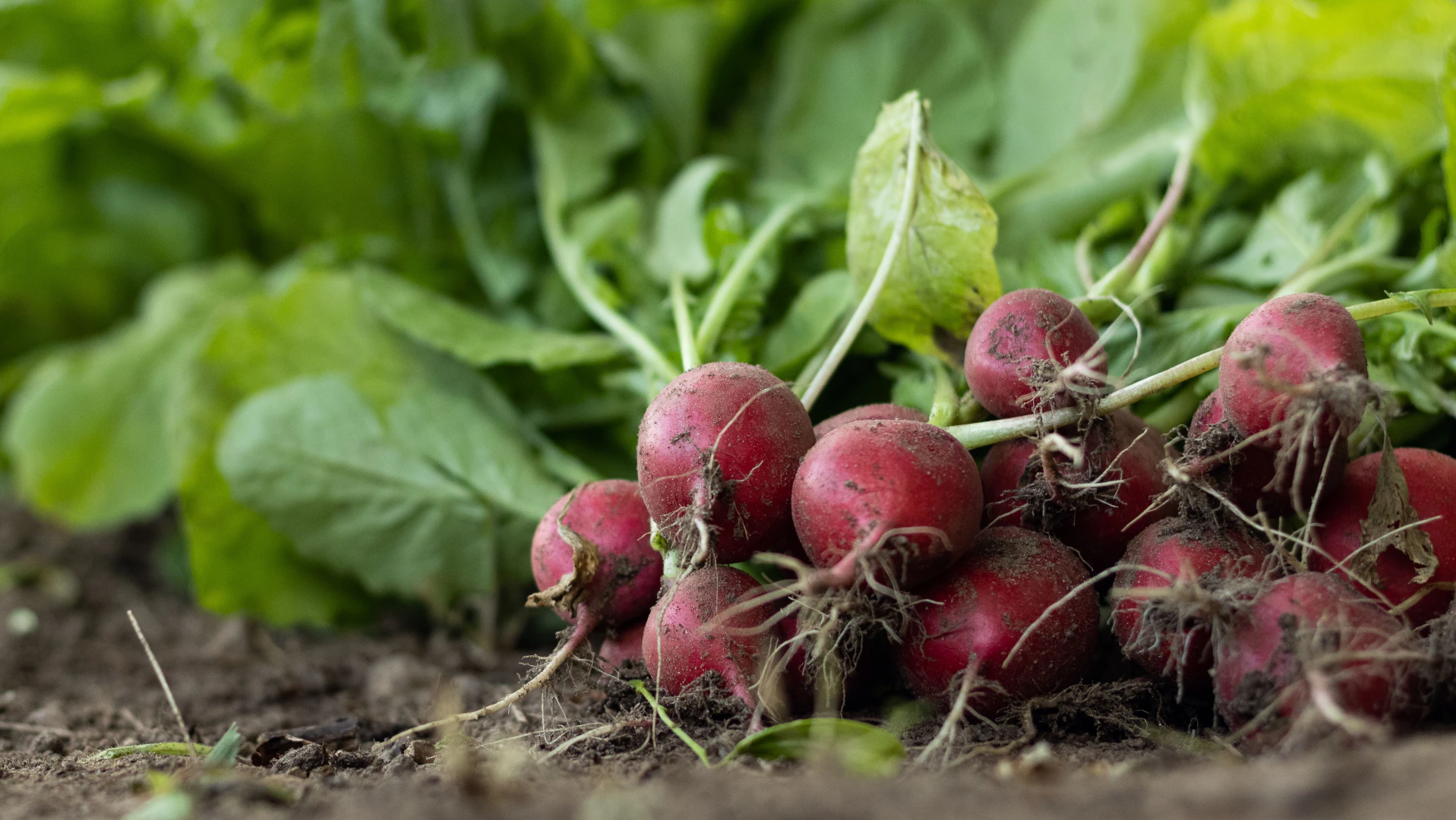
Easy Vegetables to Grow in South Africa
Fast-growing pioneer vegetables like radishes, Swiss chard, and bush beans act as biological pumps that stimulate soil microbes and improve structure. Direct sowing these beginner crops fractures compacted earth and fixes nitrogen. Achieving a self-sustaining ecosystem requires proper site preparation, consistent moisture, and adjustments for South African soil types.
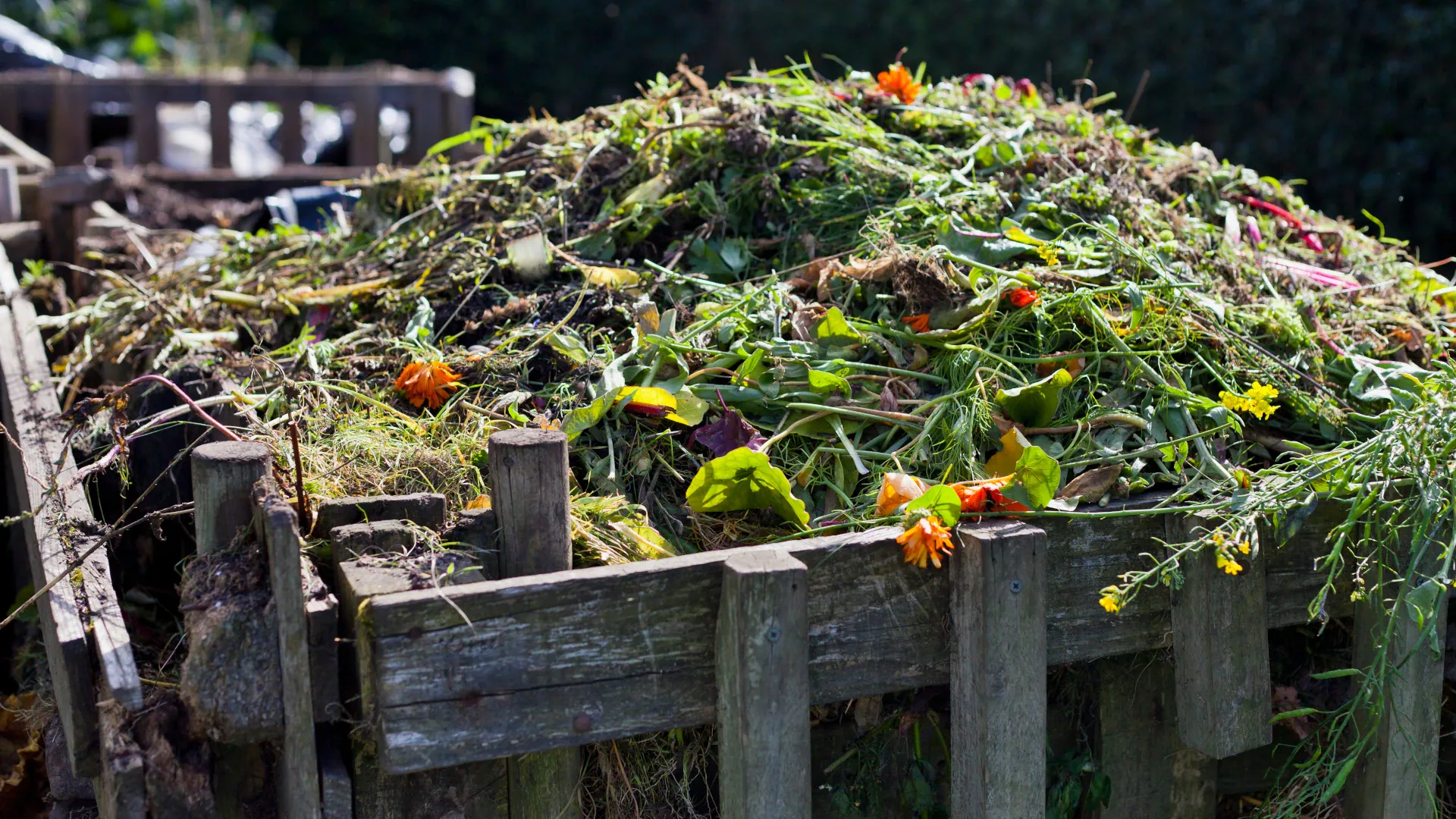
How Do I Make a Compost?
Composting systems transform organic waste into nutrient-dense matter through controlled aerobic decomposition. Achieving an optimal 30:1 carbon-to-nitrogen ratio sustains microbial life and raises heap temperatures to 55 to 65°C, neutralising pathogens. In South African soils, adding finished compost improves water retention and builds agroecological resilience.