
Growing Indigenous Medicinal Plants in South Africa
Key Takeaways
- Cultivating indigenous medicinals relieves extreme harvesting pressure on wild populations.
- Growing medicinal trees from seed requires well-drained soil and full sun.
- Substituting leaves for bark yields identical medicinal properties without destroying the plant.
- Applying organic mulch reduces water loss and supports critical soil microbiomes.
Cultivating Indigenous Medicinal Plants
Cultivating indigenous medicinal plants and indigenous trees ensures a sustainable supply of traditional remedies. It protects wild ecosystems from destructive harvesting and creates the opportunity to maintain indigenous knowledge systems. Establishing local nurseries and domestic beds directly conserves threatened species and supports community health across the region.
The Pharmacological Power of Medicinal Plants
While sometimes viewed merely as alternative therapies, medicinal plants can be just as powerful and effective as conventional Western medicine in certain cases. The therapeutic effects of these plants are not simply anecdotal; they are driven by highly active chemical compounds, such as alkaloids, terpenes and flavonoids, that interact directly with human pharmacology. Just because a remedy is "natural" does not mean it lacks potency. In fact, many of the most effective pharmaceutical drugs used in modern medicine today are directly derived from, or synthetically modelled after, the complex phytochemical profiles originally discovered in medicinal plants.
Ethnobotany and Environmental Influence
The field of ethnobotany, the study of how people of a particular culture and region make use of indigenous plants, continues to be a vital source of medical innovation. Through this traditional knowledge, researchers are continually finding new, amazing drugs from nature. Furthermore, ethnobotany highlights the profound connection between a plant and its habitat. Research has shown that plants can produce entirely different alkaloids and therapeutic properties depending on where and how they are grown. A plant thriving in its endemic environment, subjected to specific local stressors like climate and soil composition, will often express a different phytochemical profile than the same species grown under artificial or foreign conditions.
Why does cultivation improve plant conservation and health?
Wild harvesting of roots and bark often destroys the entire plant. By transitioning to medicinal plant cultivation, growers preserve wild genetics while maintaining the therapeutic value of the species. Plant stress responses naturally produce the secondary metabolites needed for medicine. To replicate this without synthetic inputs, we rely on agroecology.
Think of the soil microbiome like human gut flora. Just as a diverse diet feeds different probiotic bacteria to boost human immunity, adding diverse organic compost feeds soil fungi that stimulate the plant's natural defensive compounds. This biological friction ensures a high phytochemical yield. The Endangered Wildlife Trust (2025) found that substituting the leaves of the endangered Pepper-bark tree for its bark provides the exact same medicinal properties, allowing for continuous, non-lethal harvesting.
How do you prepare the planting site?
Select a site with full sun exposure and well-drained soil. Indigenous medicinal species like Fever tea require loose soil structures to prevent root rot.
Clear the area of competitive invasive weeds using hand tools. Avoid chemical herbicides that disrupt the delicate fungal networks required for medicinal root development. Group plants according to their water needs. Map out a spacing plan that allows shrubs to reach a mature two-metre canopy diameter within three years.
Ensure the site has access to a reliable water source for the initial establishment phase.
As of 2026, regulations regarding the commercial trade of endangered species in South Africa require a TOPS permit so check current DFFE guidance before moving plants off-site.
What are the steps to establish indigenous medicinal plants?
Begin the process by loosening the soil to a depth of 300 millimetres. Break up any hard clay clods to ensure new roots can penetrate the earth easily. Dig a planting hole twice the width of your nursery bag or root ball but exactly the same depth. This precise depth prevents stem rot at the root collar. Place the excavated soil next to the hole and mix it with an equal volume of mature compost.
Remove the plant from its container carefully. Support the base of the stem and gently squeeze the sides of the plastic bag to loosen the root ball. Do not pull the plant by its leaves or delicate upper stem. If the roots circle the bottom of the root ball, gently tease them apart using your fingers. This action encourages outward growth into the surrounding soil.
Place the plant in the centre of the hole. Confirm that the soil level of the root ball matches the level of the surrounding ground. Backfill the hole using the soil and compost mixture. Press the soil down firmly around the root ball to eliminate air pockets. Form a shallow basin around the base of the plant to catch and direct water toward the root zone.
Water the plant immediately with 10 to 15 litres of water. This initial soaking settles the soil and provides critical hydration. Apply a 50 to 100 millimetre layer of organic mulch around the plant. Keep the mulch at least 50 millimetres away from the main stem to prevent fungal infections. Mulch conserves soil moisture, suppresses weed competition and slowly releases nutrients into the earth.
During the first three months, irrigate the site deeply twice a week if there is no rainfall. Deep watering encourages roots to grow downward to create drought-resistant plants.
For a practical look at how these principles apply at ground level, FTFA's resources on Soil Health provide detailed operational guidance. Transition to seed propagation once your initial stock matures. Collect dry seeds directly from the flower heads and store them in paper bags until the spring sowing season.
How do you adjust for different propagation and harvesting methods?
The species of plant and your intended harvest material dictate your operational approach. You must adjust your techniques based on the biological requirements.
- Cuttings: Irrigate stems three times a day until the plants develop roots for transplanting.
- Leaf Harvesting: Prune only the outer canopy to allow the inner structure to continue photosynthesis.
- Root Harvesting: Isolate a specific quadrant of the root zone and extract material from only that side to ensure the main plant survives.
- Heavy Clay: Incorporate coarse river sand into the planting hole to improve drainage and prevent waterlogging.
Quick Reference Guide
Primary Tools & Materials:
- Garden spade
- Hand trowel
- Organic compost
- Woodchip mulch
- Plant sears for harvesting leaf material
- Paper bags for collecting and storing seed
- Pickaxe for penetrating heavy clay soils
Step-by-Step Summary:
- Select a site with full sun and good drainage.
- Clear the area of competitive invasive weeds.
- Dig a hole twice the width of the root ball.
- Mix the excavated soil with organic compost.
- Tease circling roots apart before planting.
- Plant at the exact depth of the nursery container.
- Backfill the hole and press the earth down firmly.
- Build a small soil basin to capture water.
- Apply a thick layer of organic mulch.
- Water deeply to settle the soil around the roots.
WARNING
Important Note: This information is provided for educational purposes only. While these plants have a long history of traditional use, they should be used with caution. Always consult with a qualified healthcare professional or traditional healer before using herbal remedies, as some can be toxic if prepared incorrectly, used in wrong dosages or interact with other medications.
| Common Name | Scientific Name | Alternate Names | Description | Medicinal Uses |
|---|---|---|---|---|
Cape Aloe | Aloe ferox | iKhala, Bitteraalwyn | A tall, single-stemmed succulent with thick, fleshy leaves bordered by reddish-brown spines and bright orange-red tubular flowers. | The bitter yellow sap is used as a potent laxative, while the soothing inner gel is applied topically to treat burns, wounds, and skin infections. |
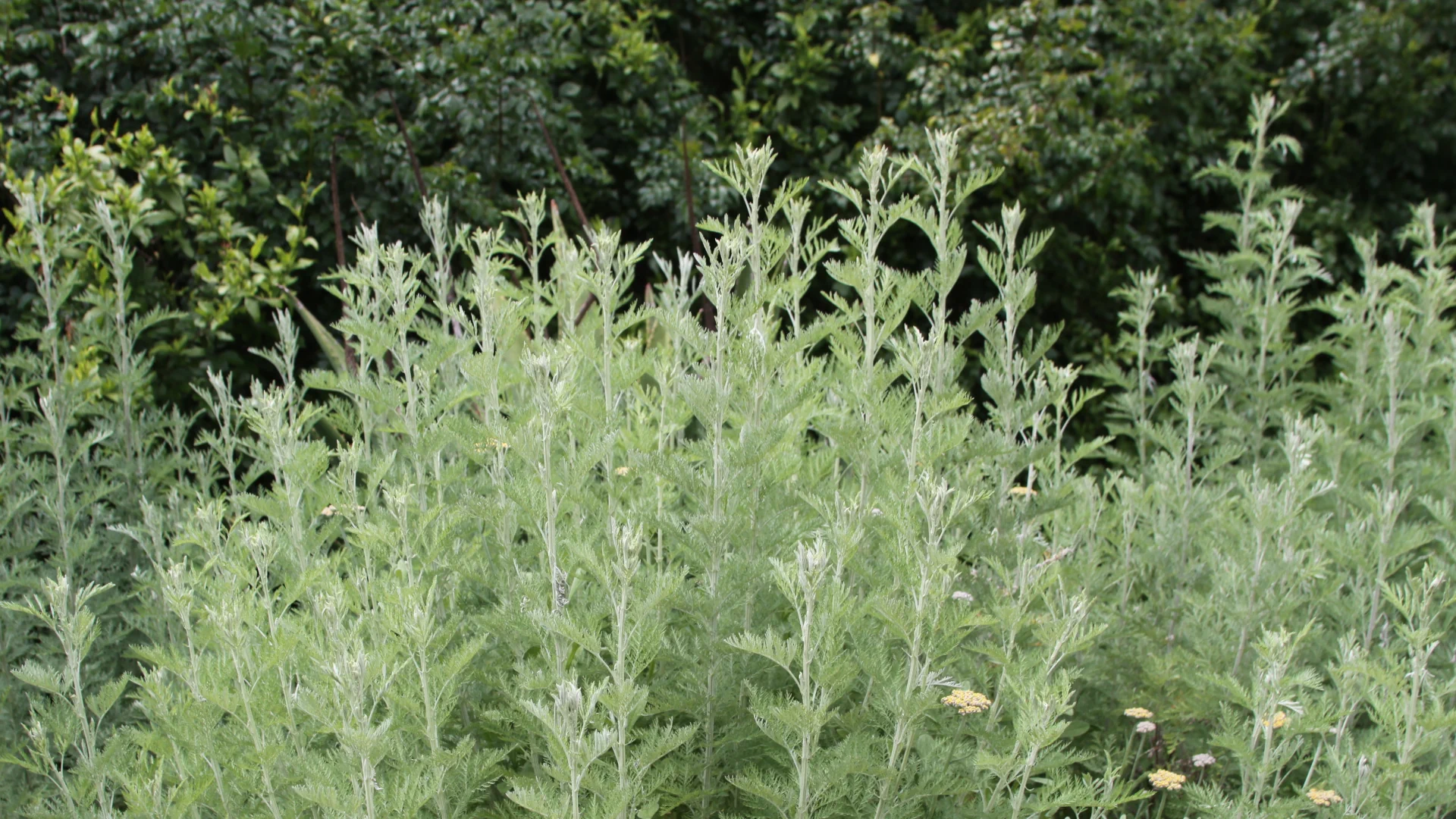
African Wormwood | Artemisia afra | Umhlonyane, Wilde-als | A highly aromatic, woody perennial shrub that grows in bushy clumps, featuring soft, feathery, grey-green leaves. | Traditionally brewed as a tea or inhaled as a vapor to treat respiratory ailments such as colds, flu, coughs, and fever. |
Cancer Bush | Sutherlandia frutescens (or Lessertia frutescens) | Umnwele, Kankerbos | An attractive, small shrub with silvery-green leaflets, bright red, butterfly-like flowers, and distinct inflated, papery seed pods. | Highly regarded as an adaptogenic tonic used to support the immune system, reduce inflammation, and assist in managing chronic illnesses and stress. |
Wild Garlic | Tulbaghia violacea | Utswelane, Wildeknoffel | A clump-forming perennial with narrow, grass-like leaves and clusters of star-shaped, violet flowers that emit a strong garlic odor. | Traditionally used to treat colds, coughs, and asthma. The crushed leaves are also applied to relieve toothache or used as an insect repellent. |
Round-leaf Buchu | Agathosma betulina | Ibuchu, Boegoe | A small, highly aromatic fynbos shrub with rounded, gland-dotted leaves and small white or pale pink star-shaped flowers. | Renowned as a diuretic and mild urinary antiseptic, it is widely used to treat kidney and urinary tract infections, as well as a general digestive tonic. |
Cannabis / Dagga | Cannabis sativa | Umya / Ntsangu, Dagga | An erect, fast-growing annual herb with distinctive palmately compound leaves and dense, resinous flower clusters. | Traditionally used to treat pain, inflammation, and respiratory conditions like asthma, as well as being brewed as a calming tea. |
Wild Dagga / Lion's Ear | Leonotis leonurus | Umfincafincane, Wildedagga | A robust, semi-evergreen shrub featuring striking, velvety whorls of bright orange, tubular flowers that attract sunbirds. | Decoctions are used to treat coughs, colds, and bronchitis, while topical applications are used for skin rashes, boils, and muscular pain. |
African Potato | Hypoxis hemerocallidea | Ilabatheka, Afrika-aartappel / Sterblom | A resilient geophyte with a thick, fleshy underground corm, hairy leaves, and bright yellow, star-shaped flowers. | The corm is traditionally used as a powerful immune booster and tonic, often utilized to manage prostate problems and chronic illnesses. |
Written By
Research Team
Comprising experts from diverse departments, the Food & Trees for Africa (FTFA) research team drives informed strategies to advance environmental sustainability, climate resilience and food security.
Found this resource useful?
Help us continue building an open-source knowledge economy for environmental sustainability. Your support funds our ongoing research.