Urban Greening & Forestry
Explore strategic urban forestry and green infrastructure implementation. This resource covers community-led tree planting in South African townships, mitigating the Urban Heat Island effect and scaling Nature-based Solutions. Improve public health and enhance urban biodiversity through robust planning and professional standards.
Food and Trees for Africa provides a comprehensive resources page on urban greening and forestry. Discover strategic approaches to implementing green infrastructure, mitigating the urban heat island effect and transforming communities through Nature-based Solutions.
What is Urban Forestry and Why Does It Matter?
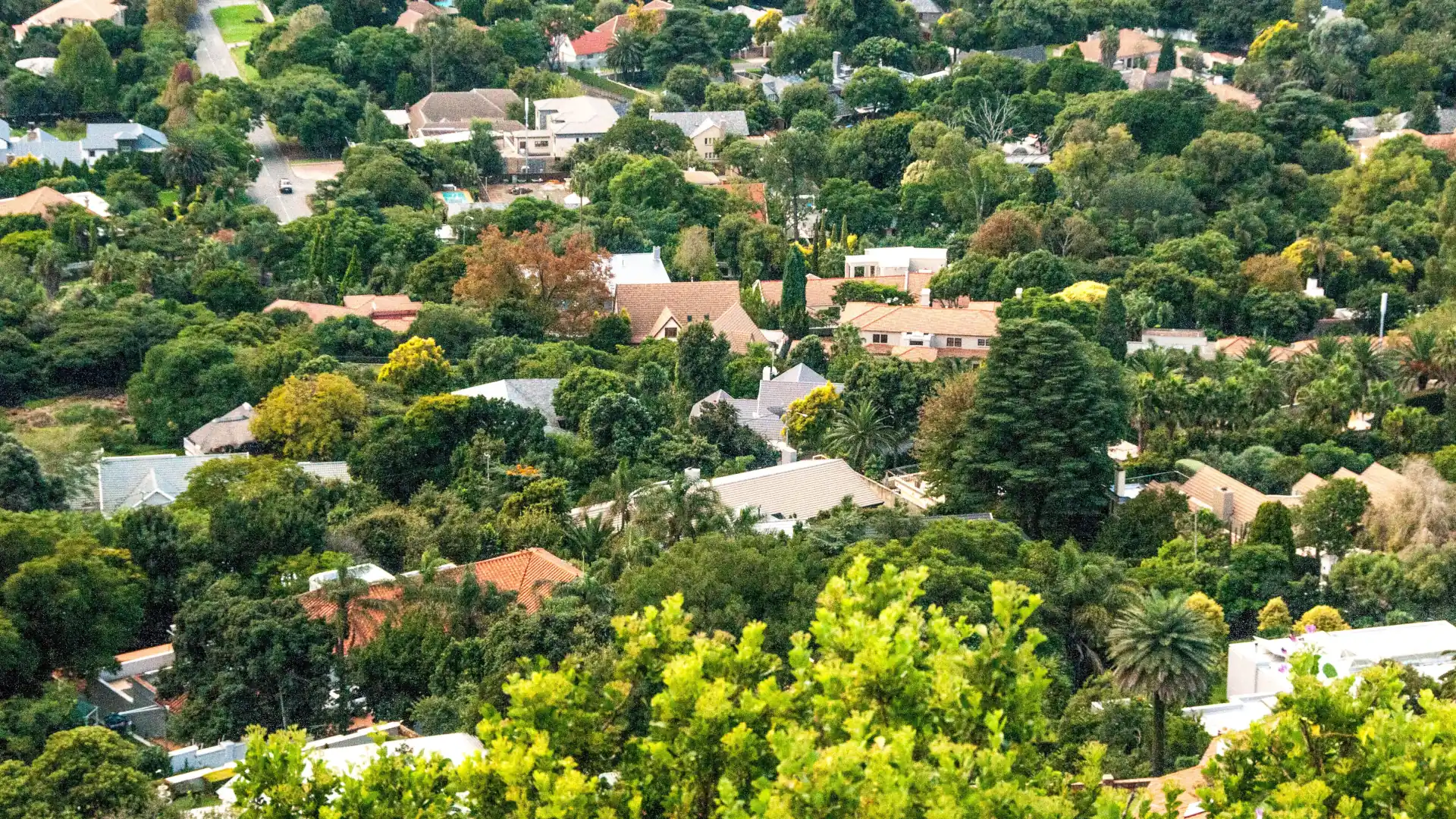
Urban forestry uses tools like the 3-30-300 rule to cool cities and cut pollution. However, South Africa faces "green apartheid," where low-income zones lack canopy cover. Colonial exotic trees also drain water and cause allergies. While cities try to adapt, budget constraints and pests like the PSHB beetle lead to poor tree survival rates.
What is the PSHB Beetle and Can We Stop It?
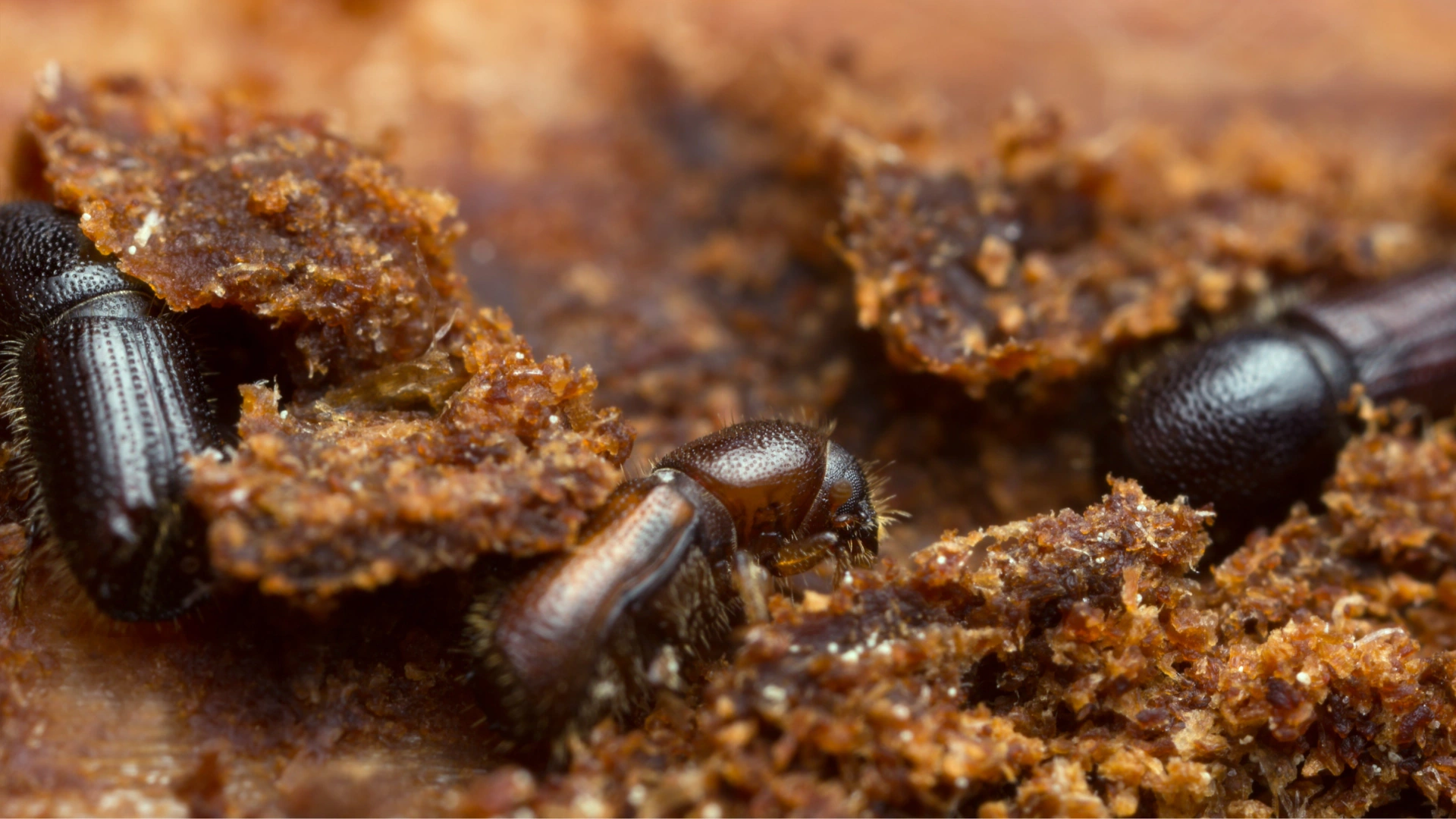
Commercial wood chipping reduces polyphagous shot hole borer emergence by over 97 percent and remains the most effective scalable intervention to halt the pathogen.
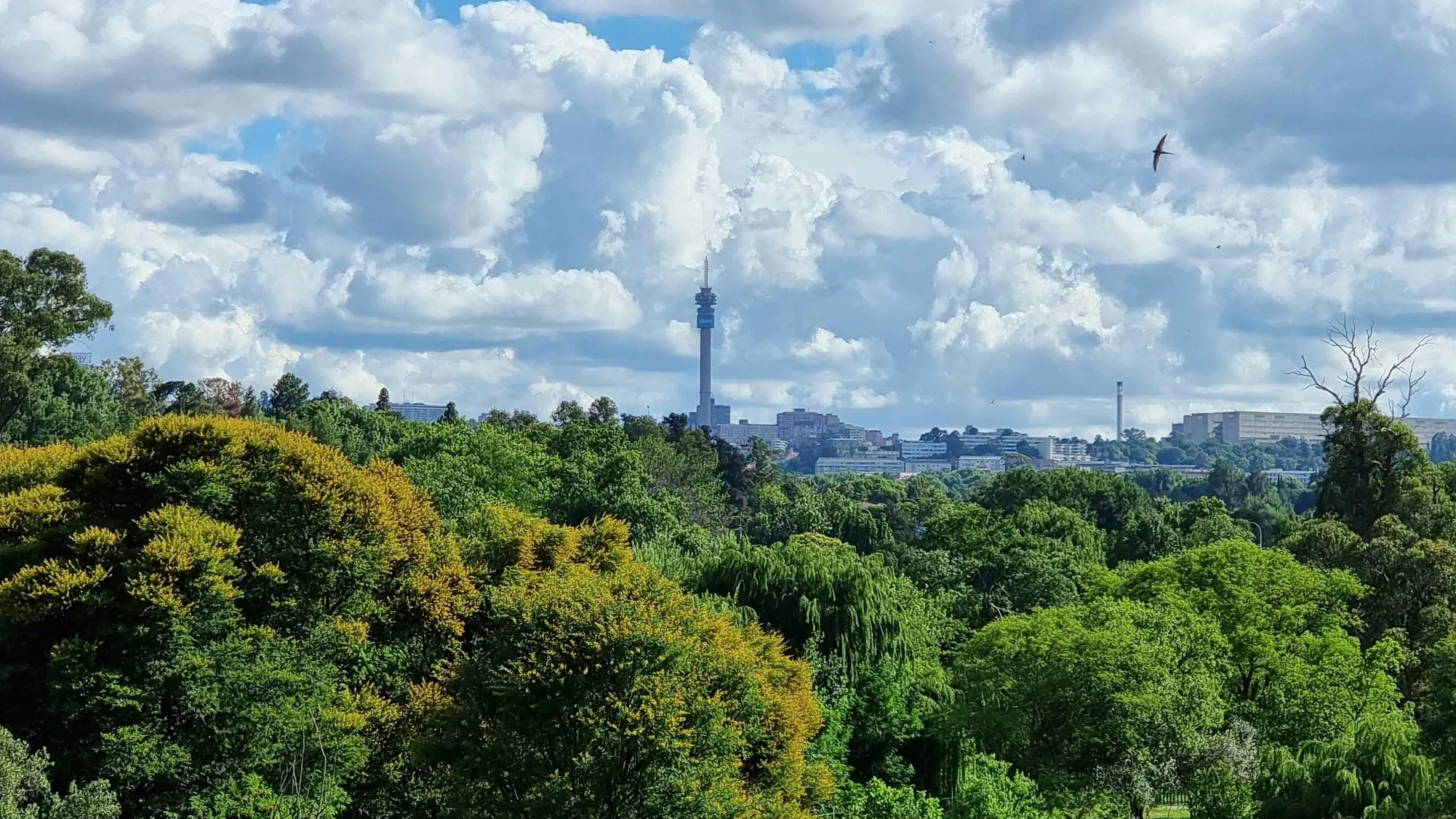
Is Johannesburg Really the World’s Largest Man-Made Forest?
Johannesburg's claim to the world's largest man-made forest is a myth, with satellite data revealing a 16.1% canopy cover. This green infrastructure remains highly unequal, split along apartheid-era planning lines between wealthy suburbs and townships. Currently, the canopy faces severe threat from the invasive polyphagous shot hole borer beetle.